Core Beliefs
What Jehovah's Witnesses Believe
The following describes the main beliefs that guide the life, worship, and day-to-day conduct of our congregation members.
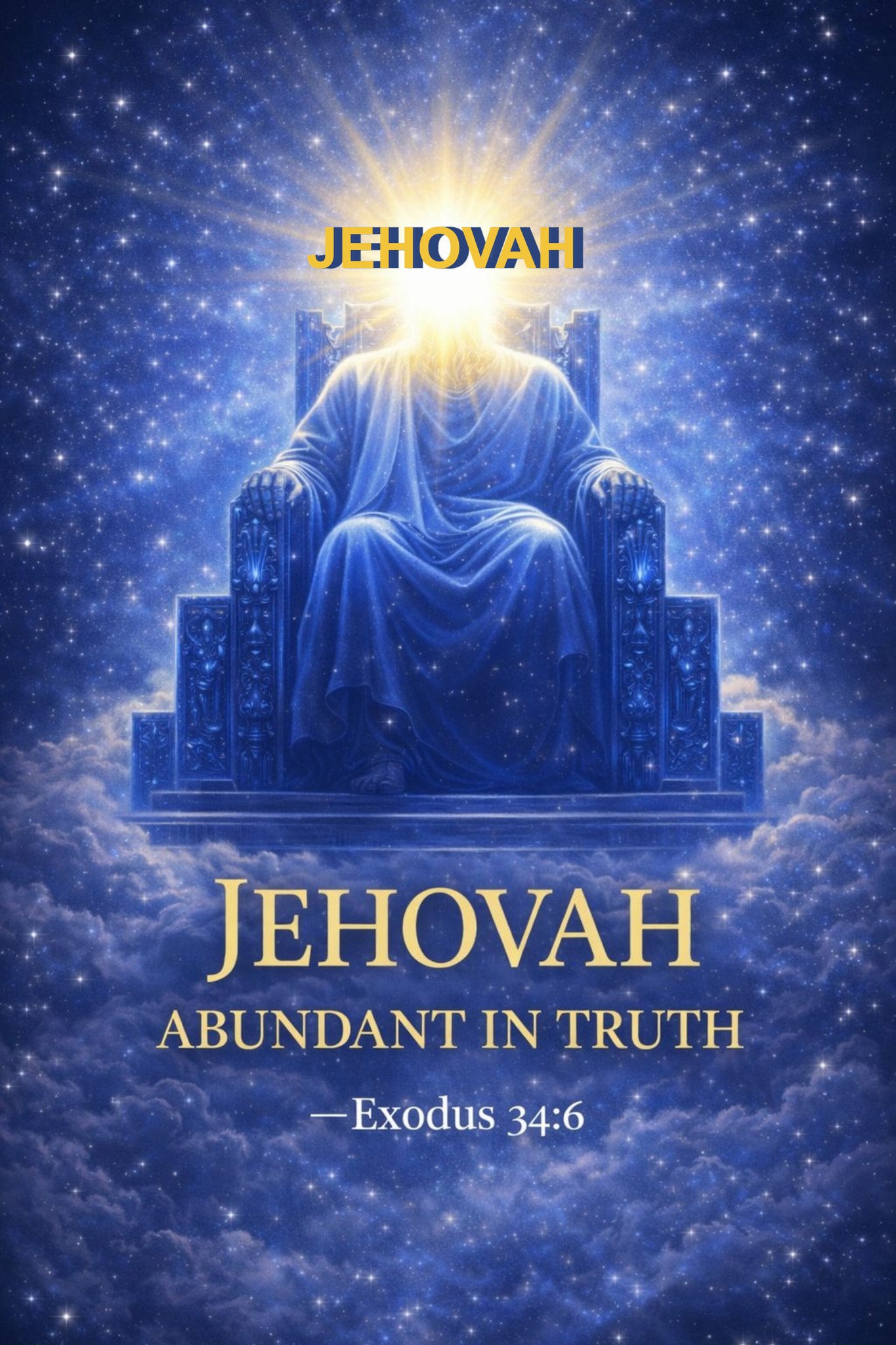
God's Personal Name — Jehovah
Jehovah's Witnesses believe that the Creator of the universe has a personal name — Jehovah — as recorded thousands of times in the original Hebrew scriptures. Using that name in worship is seen as both respectful and Scripturally appropriate. This distinguishes our worship from general references to "God" or "Lord" and forms a personal relationship with the Creator rather than an abstract one.
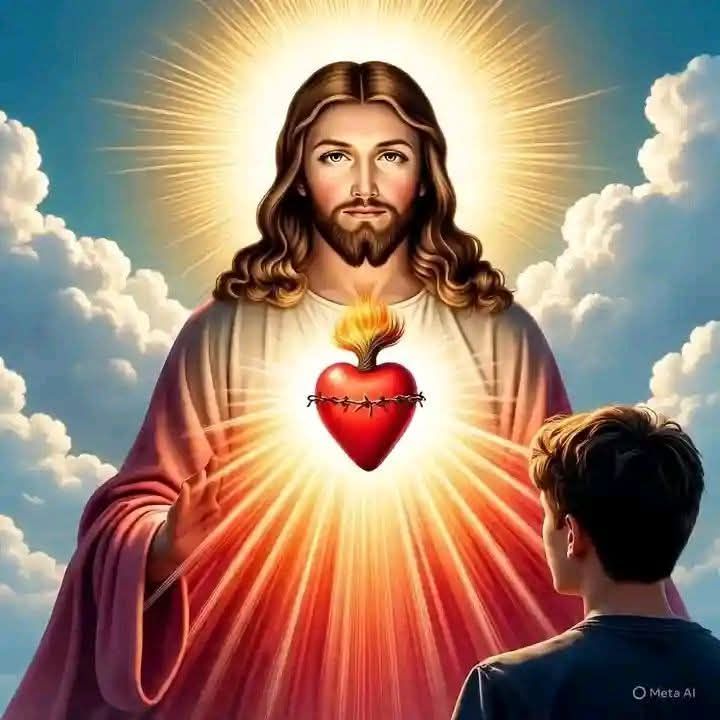
Jesus Christ — God's Son, Not God Himself
We deeply honour Jesus Christ as the Son of God, the Messiah, and the central figure of Christianity. However, based on our reading of Scripture, we believe Jesus is a distinct and separate being from Jehovah God — not equal to him in nature. Jesus is described in the Bible as God's "firstborn" and the one through whom all things were created. His sacrifice is the basis of our hope for forgiveness and life.
The Kingdom of God
One of the most consistent themes of Jesus' teaching is the coming Kingdom of God — a real heavenly government that will replace human rulership and bring lasting peace to the earth. Jehovah's Witnesses believe this Kingdom is not a spiritual state within individuals, but a literal government already ruling in heaven that will soon transform conditions on earth. This hope shapes how members live, make decisions, and relate to current world events.
The Resurrection and Eternal Life
The Bible teaches that the dead are unconscious — not in heaven or hell — awaiting a resurrection. Jehovah's Witnesses believe that faithful people who have died will be brought back to life on a restored, peaceful earth under God's Kingdom. A smaller group — described in the Bible as 144,000 — will be resurrected to heavenly life to rule alongside Christ. This resurrection hope is central to the comfort our congregation offers those who have lost loved ones.
Practical Christian Living
Our beliefs are not simply held in theory — they shape daily life. Members are encouraged to be honest in business, caring toward family, kind to neighbours, and peaceable in all relationships. We avoid practices that we believe conflict with Bible standards, and we try to resolve disagreements through direct conversation and mediation rather than legal action or social conflict.
Political Neutrality
Jehovah's Witnesses maintain strict political neutrality. We do not vote, hold political office, or support any political party or ideology. This is not indifference — it reflects our conviction that God's Kingdom, not any human government, will bring lasting justice and peace. We obey the laws of the countries we live in and respect governing authorities while remaining neutral in political matters.